
TPL Tool Carrier Frame
SKU:
TPL
DB11 Automatic Inter-row Disc
SKU:
DB11
DB12 Automatic Inter-row Mower
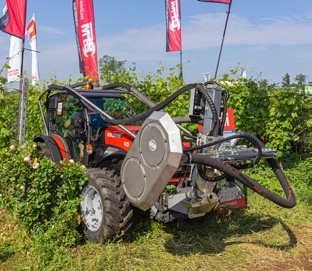
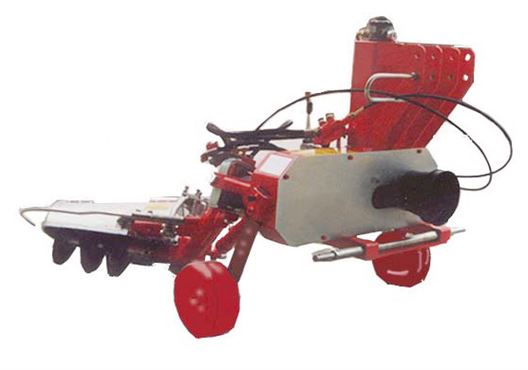
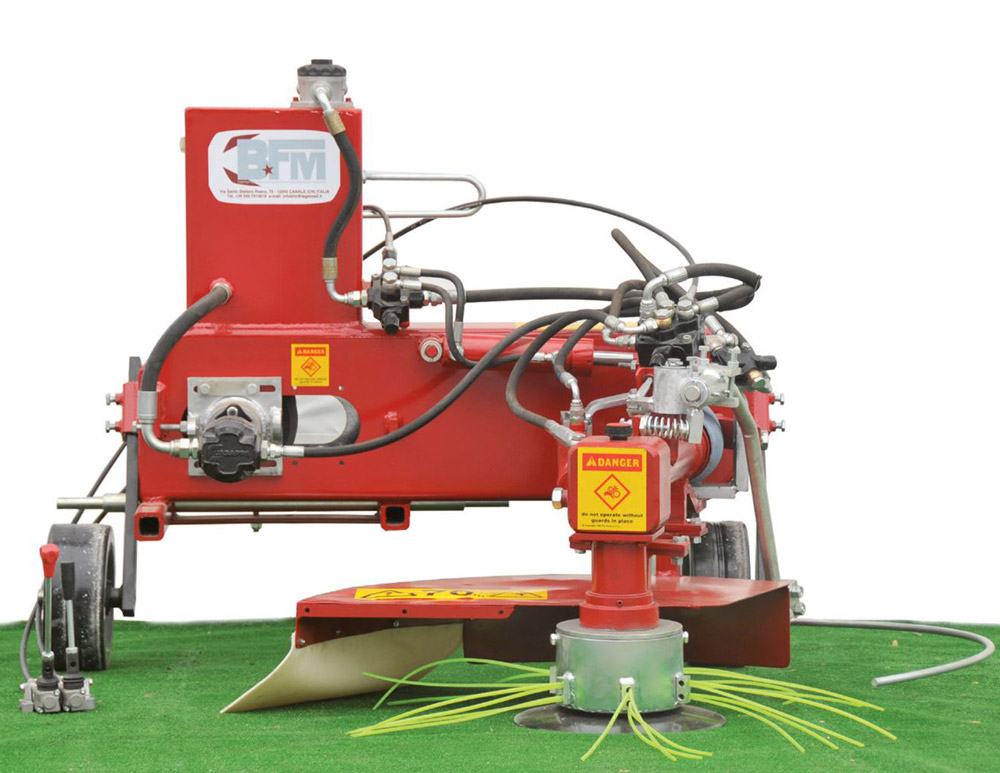
Its compact size and mechanical adjustments make it suitable for all types of terrain. It's ideal for cleaning and cutting grass in vineyards or orchards between plants, and it's also very useful for mowing grass along roadsides, even on steep slopes.
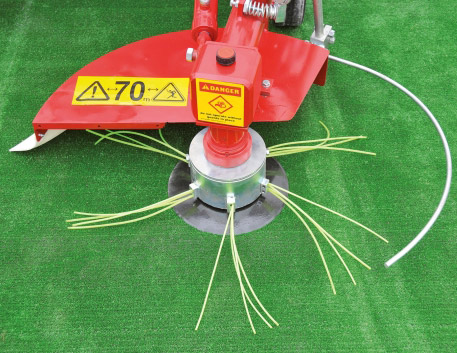
Designed for efficient cutting, it uses soft polyurethane wires with a rigid core to prevent damage to the trunk. The leveling support disc sweeps the ground, making it perfect for cleaning and cutting grass in vineyards and orchards, as well as for roadside mowing on inclines. The head can recline up to +/- 30°, allowing it to work on raised beds and hilly terrain.
DB12 Double Inter-row Mower
Designed for efficient and precise cutting, it uses soft polyurethane wires with a rigid core, ensuring a clean cut without damaging the trunk. The leveling support disc sweeps the ground, making it ideal for cleaning and cutting grass in vineyards and orchards. The head reclines up to +/- 30°, allowing it to work on raised beds and hilly terrains, offering maximum versatility. With its dual functionality, the DB12 Double works simultaneously on both sides of the row, optimizing time and improving productivity.
B4 Double Inter-row Tiller
SKU:
DB12
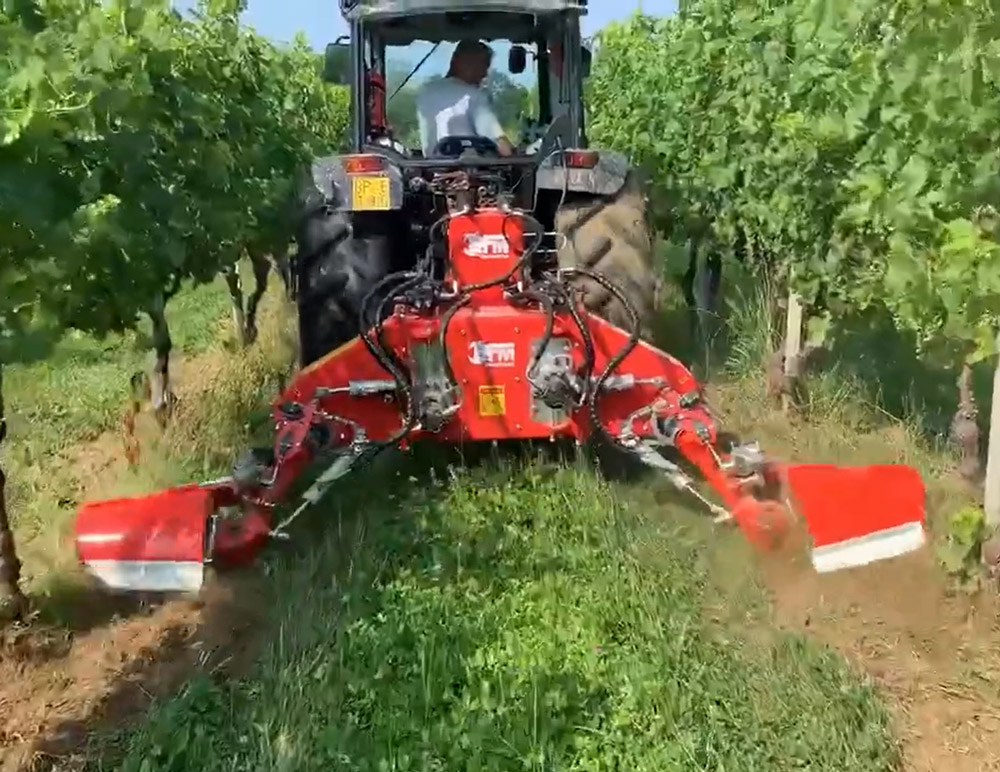
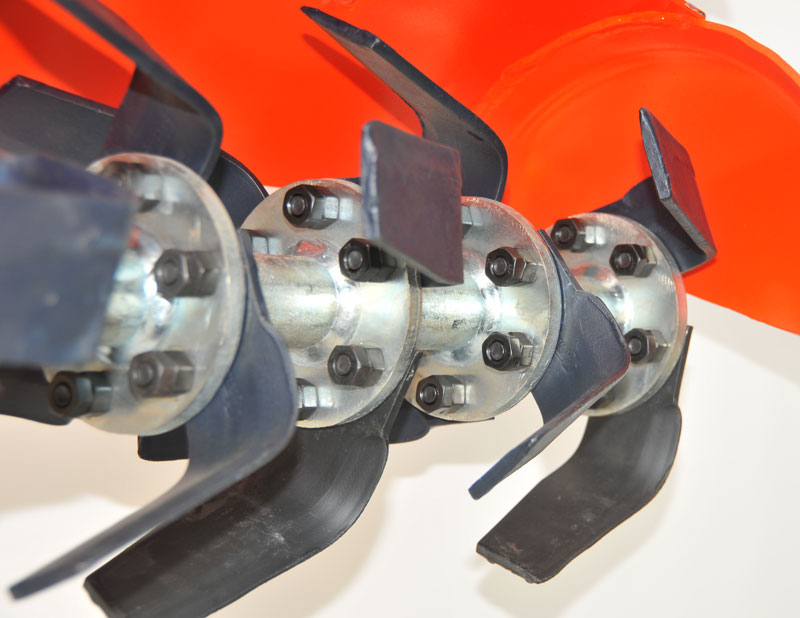
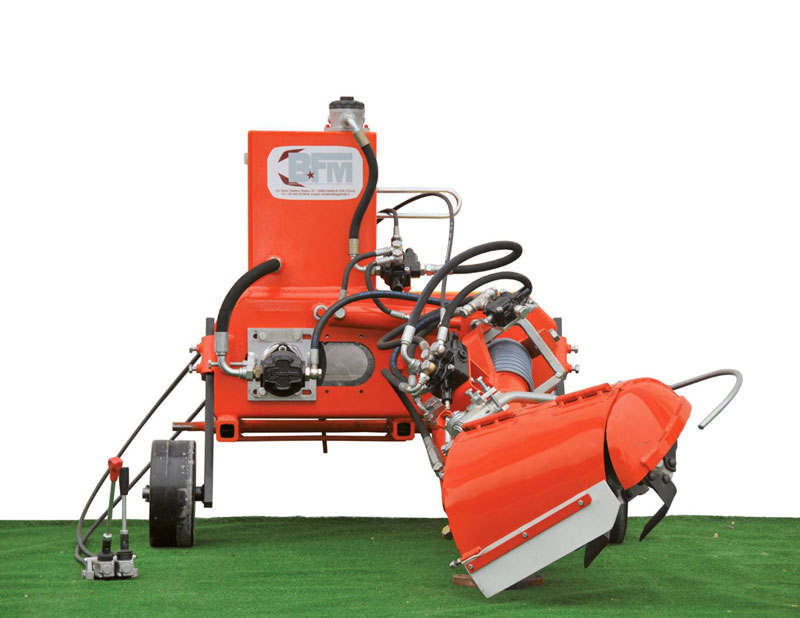
This is an ideal solution for large agricultural companies seeking efficiency and flexibility. With an operating distance of 45cm between stumps, the B4 tackles extensive plantations with precision. Thanks to its dual functionality, it works simultaneously on both sides of the row, optimizing time and improving productivity. The orientable head rotates up to +/- 30°, adapting to ground inclinations and ensuring uniform tilling even in difficult conditions.
B3 Reinforced Inter-row Tiller
SKU:
B3
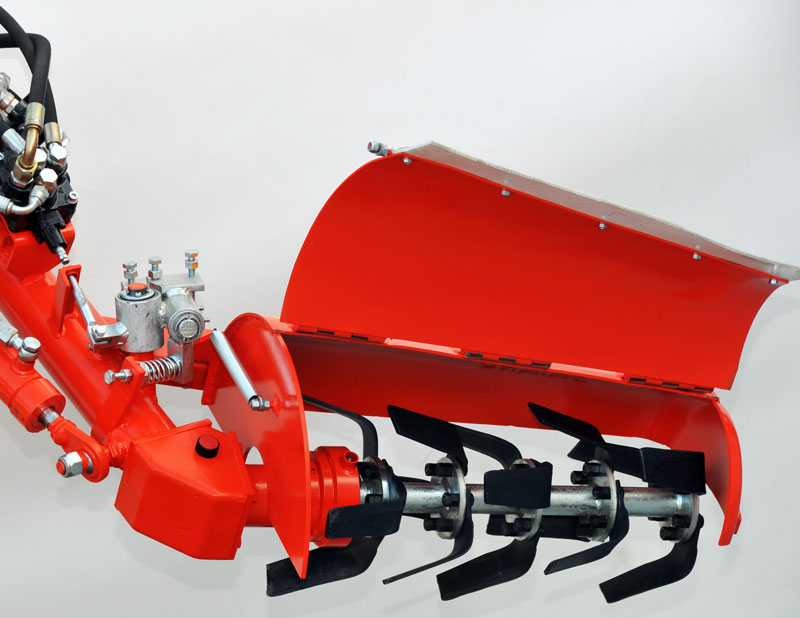
Ideal for farms of 15 hectares or more, this tiller is designed for vineyards and orchards, especially on extensive and challenging terrain. With a minimum distance of 45cm between stumps, it optimizes soil cultivation in tight spaces. The tilting head, adjustable up to +/- 30°, easily handles slopes and uneven ground, ensuring precise tilling.
B1 Standard Inter-row Tiller
SKU:
B1
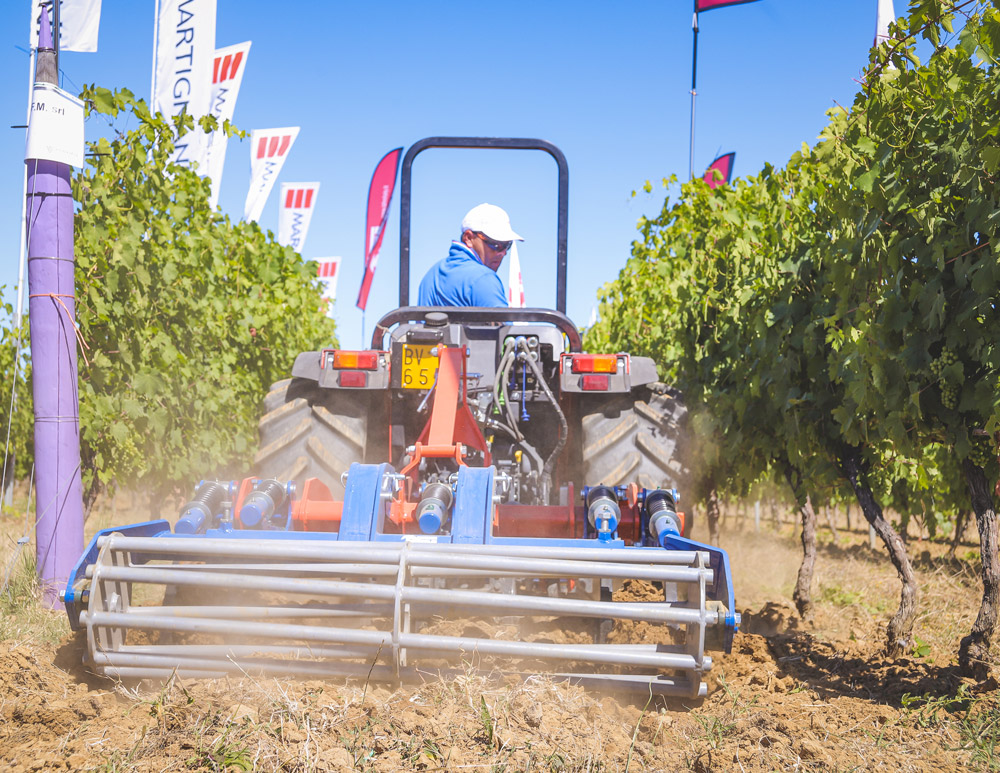
EV-10 Vineyard Weeder
SKU:
EV-10
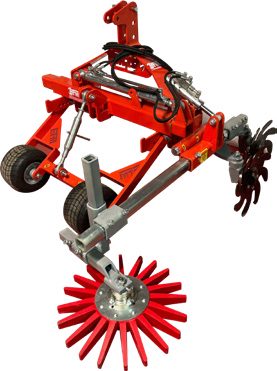
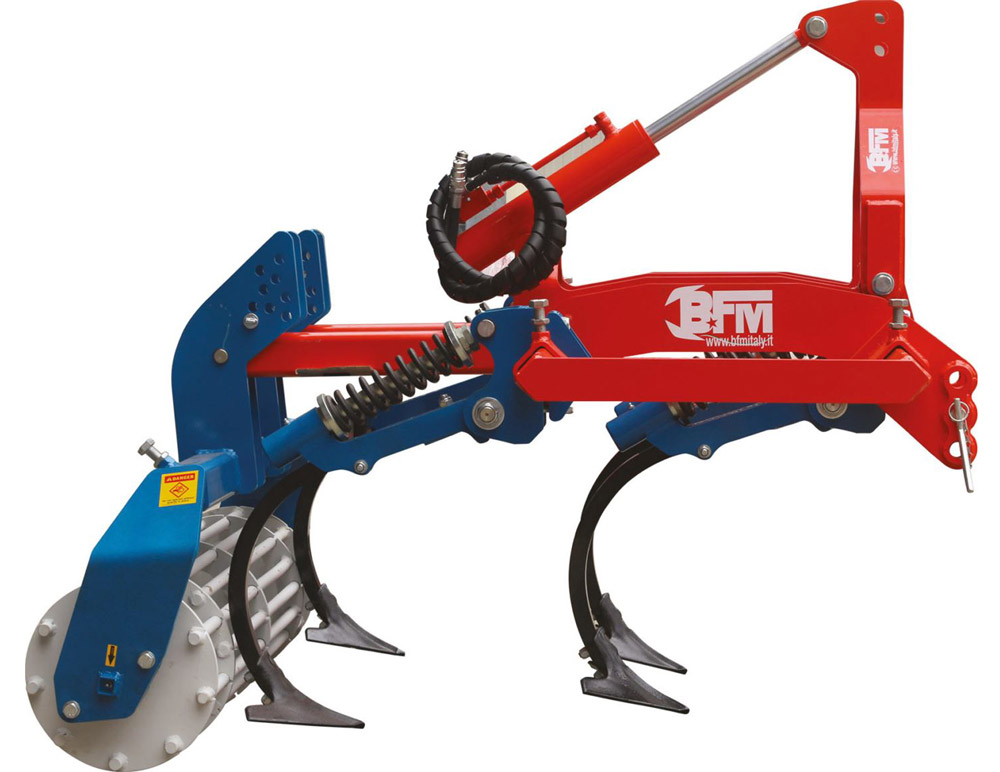
The Vineyard Weeder features a width-adjustable frame, allowing it to work in rows of different sizes. The new flag-folding system offers greater maneuverability, keeping the machine stable and close to the tractor. The adjustable arm attachment system permits extensive fine-tuning, while shock absorbers on the arms ensure better load control on hard ground, especially during summer.
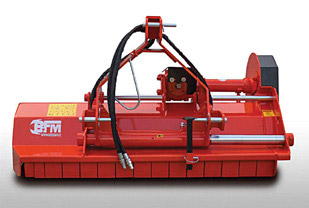
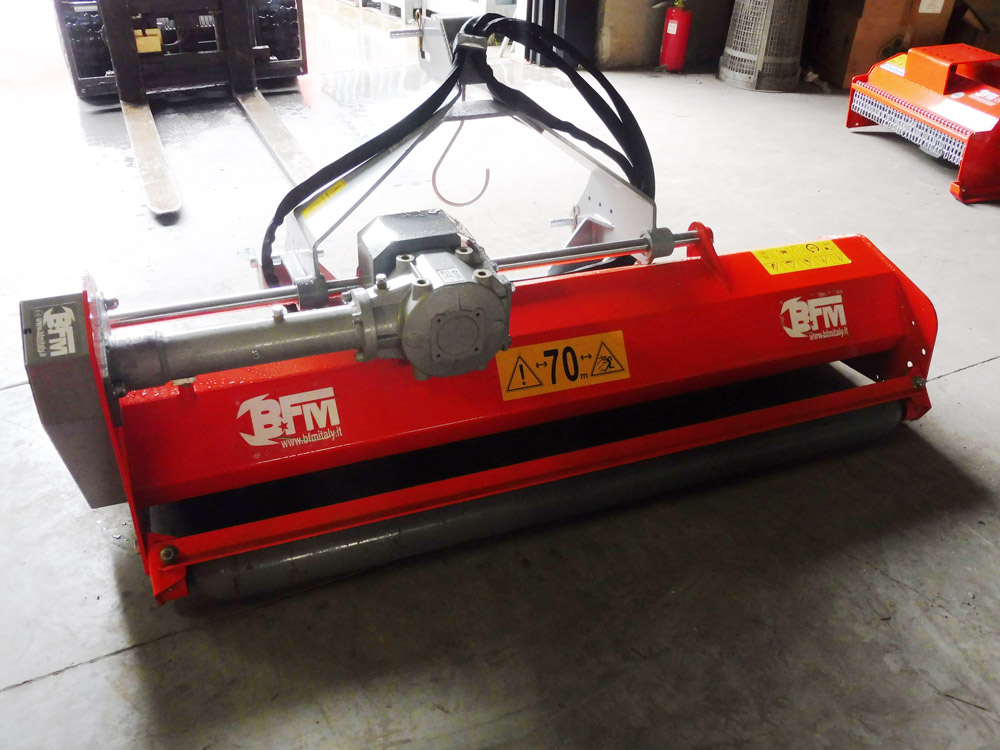
BTM Medium Hydraulic Flail Mower
SKU:
BTM
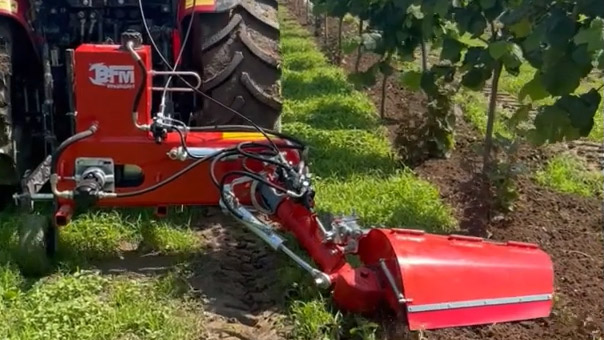
BTP Flail Mower with DB12 Inter-row Mower
This is an innovative flail mower that combines our renowned BTP mulching system with the robust DB12 inter-row mower. Unlike traditional flail mowers with hydraulic mowing arms, the BTP-12 uses a mechanical rotation, making it compatible with tractors that have low oil flow and simplifying maintenance. This machine is designed for orchards, allowing you to perform both row mulching and under-row cleaning in a single pass, thanks to our wire disc. It's an excellent solution for efficient and fast cultivation.